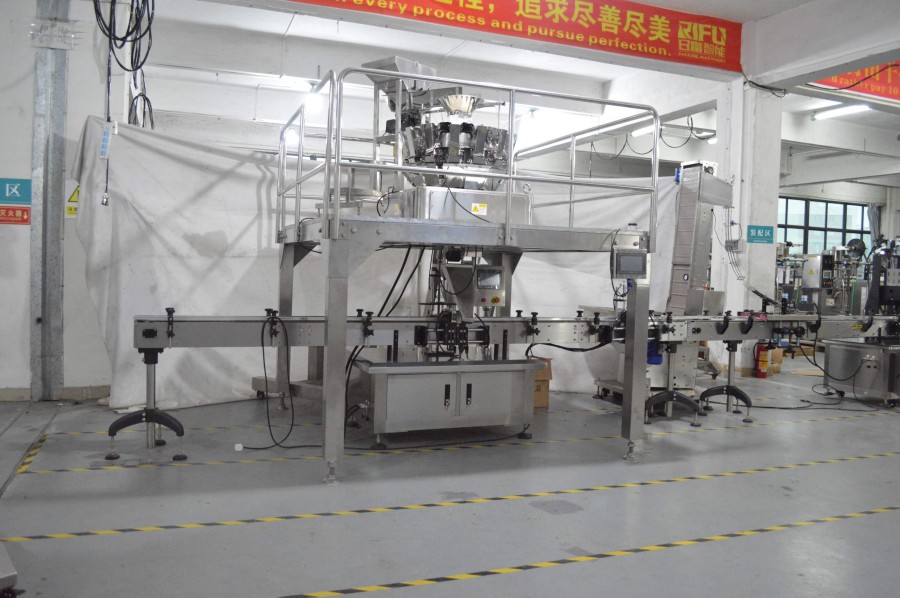
A genuine packaging machinery manufacturer can be identified by checking factory evidence, engineering ability, certification records, and after-sales support. Buyers should review production history, technical documents, customer applications, and service capacity instead of relying only on website design or low prices. Companies with real manufacturing experience usually provide measurable specifications, machine testing information, and customized solutions for different industries.
Buying packaging equipment online has become common for companies in food, beverage, pharmaceutical, cosmetics, and consumer goods industries. However, not every supplier shown online is a real manufacturer. A professional website can be created within days, while real machinery production requires years of engineering experience, manufacturing facilities, and technical teams.
A genuine supplier should be able to explain how its machines work, what components are used, and how the equipment performs under different production conditions. For example, a manufacturer producing automatic packaging machines should provide information about filling accuracy, sealing performance, production speed, control systems, and maintenance requirements.
“A real manufacturer can explain the machine from design to operation, not only show finished pictures.”
The first step is checking company information. A manufacturer with a longer operating history usually has more verifiable records. Companies established before 2015 often have customer projects, equipment improvement records, and installation experience that can be reviewed.
| Check Item | Genuine Manufacturer | Unreliable Supplier |
|---|---|---|
| Factory information | Provides factory address and production photos | Only shows product images |
| Technical details | Shares machine specifications and drawings | Uses general descriptions |
| Customer projects | Provides application examples | Uses unclear testimonials |
| Service system | Offers installation and spare parts support | Focuses only on sales |
Factory verification provides more reliable information than online presentation. Buyers can request a live video tour, production workshop images, assembly area videos, and machine testing records. A manufacturer producing industrial equipment should normally have areas for machining, assembly, electrical testing, and final inspection.
The production environment can also show whether a company has real manufacturing capability. A factory making packaging equipment may need CNC machining equipment, electrical assembly stations, software testing systems, and quality inspection tools. A supplier that cannot explain its production process may actually depend on outside manufacturers.
Technical communication is another useful method for evaluating suppliers. Packaging systems are often customized according to product type, container size, production speed, and industry standards. A professional engineer usually asks detailed questions before recommending equipment.
Common questions include:
-
What product will the machine handle?
-
What is the target production capacity?
-
What packaging material will be used?
-
What level of automation is required?
-
Are there special cleaning or safety requirements?
A supplier that immediately provides a quotation without collecting technical information may not have enough experience with industrial applications. In many machinery projects, incorrect equipment selection can increase installation time by 20% or more because later modifications may be required.
Certification documents should also be reviewed carefully. Many manufacturers display certificates such as ISO 9001 or CE compliance on their websites. Buyers should check whether the certificate matches the company name, equipment category, and certification period.
| Certification Review | What to Check |
|---|---|
| Company name | Matches the supplier information |
| Certificate number | Can be verified through official channels |
| Date | Is still valid |
| Product scope | Covers the actual equipment |
A certificate alone does not confirm manufacturing ability. A company may have certifications but still lack experience with specific packaging applications. Technical records, project references, and engineering discussions should be considered together.
Customer references provide another way to evaluate suppliers. A reliable manufacturer should be able to describe previous projects, including production capacity, packaging materials, installation location, and machine configuration.
For example, a beverage company requiring 10,000 bottles per hour may need different equipment compared with a pharmaceutical company requiring sterile packaging. The supplier should explain why a certain design is suitable instead of offering the same machine configuration to every customer.
After reviewing technical capability, buyers should examine service support. Packaging equipment often operates for many hours each week, and machine downtime can affect production schedules. A professional supplier should provide spare parts lists, remote assistance, operator training, and maintenance recommendations.
A supplier’s response speed can also provide useful information. During the quotation stage, buyers can ask technical questions and compare answers from different companies. Manufacturers with experienced engineering teams usually provide detailed explanations, while trading companies often provide limited technical replies.
“The quality of communication before purchase often reflects the level of support after installation.”
Price comparison should be performed carefully. A lower quotation does not always represent lower total cost. Equipment with poor component selection or limited service support may require additional maintenance expenses after installation.
A basic comparison can include:
| Factor | Supplier A | Supplier B |
|---|---|---|
| Initial equipment price | Lower | Higher |
| Component quality | Standard | Industrial grade |
| Technical support | Limited | Available |
| Spare parts supply | Unclear | Documented |
In machinery purchasing, the total ownership period is often several years. A machine that operates continuously for 5 years requires stable components, regular maintenance, and accessible technical support.
Online research should also include checking whether the company publishes original technical materials. Genuine manufacturers often share machine manuals, industry articles, application videos, and engineering explanations. Repeated use of copied descriptions or identical product images across multiple websites may indicate limited original production capability.
Website information can be useful, but buyers should compare it with external verification. Reviews from industrial customers, trade show records, business registrations, and third-party references can help confirm whether a supplier has actual market experience.
The purchasing process becomes safer when buyers use a structured evaluation method:
-
Confirm the company background and factory location.
-
Review technical specifications and machine drawings.
-
Check certification information.
-
Request customer application examples.
-
Discuss customization requirements with engineers.
-
Evaluate installation and maintenance support.
A real packaging machinery manufacturer usually focuses on engineering details because machine performance depends on design accuracy, component selection, and production control. Suppliers that mainly promote low prices and attractive images may not provide the same level of technical support.
Choosing a machinery supplier online requires checking more than appearance. Factory capability, technical knowledge, project history, certification accuracy, and service planning provide a clearer picture of whether a company can deliver reliable equipment. Careful evaluation helps companies select partners that can support long-term production requirements.